The case for instant CO2 reduction in shipping

In shipping, most developments are currently focused on green and transition fuels.
While the long-term direction is clear, recent developments show that the uptake of green fuels is slowing down, mainly due to uncertainty and fluctuations in supply chain investments. Transition fuels, on the other hand, are gaining renewed momentum.

Fuel is, of course, the primary focus. It represents by far the largest share of emissions on board.
However, once vessels transition to carbon-neutral or carbon-free fuels, system oil and cylinder lubricating oil will represent the vast majority and in practice almost all the remaining fossil oil consumption on board.

This is where an often-overlooked opportunity appears.

Cylinder lubricating oil drained from the engine is traditionally considered total loss oil. It is either burned in low-efficiency devices or disposed of as sludge. Yet this oil still contains valuable hydrocarbons and additives, and oxidation levels are typically minimal.

If this oil can be reused instead of discarded, the impact is immediate:

  • Instant reduction in fossil oil consumption
  • Significant CO₂ reduction
  • Lower operational expenditure
  • Improved engine condition and reduced wear on critical components


A simple well-to-wake analysis of cylinder lubricating oil makes the case very clear. From oil well, refinery, transportation, storage, bunkering, and finally disposal, the carbon footprint is substantial. Reducing waste by 50–60% effectively translates into 50–60% less new oil consumption, with a corresponding reduction in CO2 emissions.

Interestingly, early operational experience with fossil-free fuels indicates that their impact on the unburned cylinder oil may be even less severe than with conventional fuels. This makes the drained oil an even better candidate for reuse or repurposing.

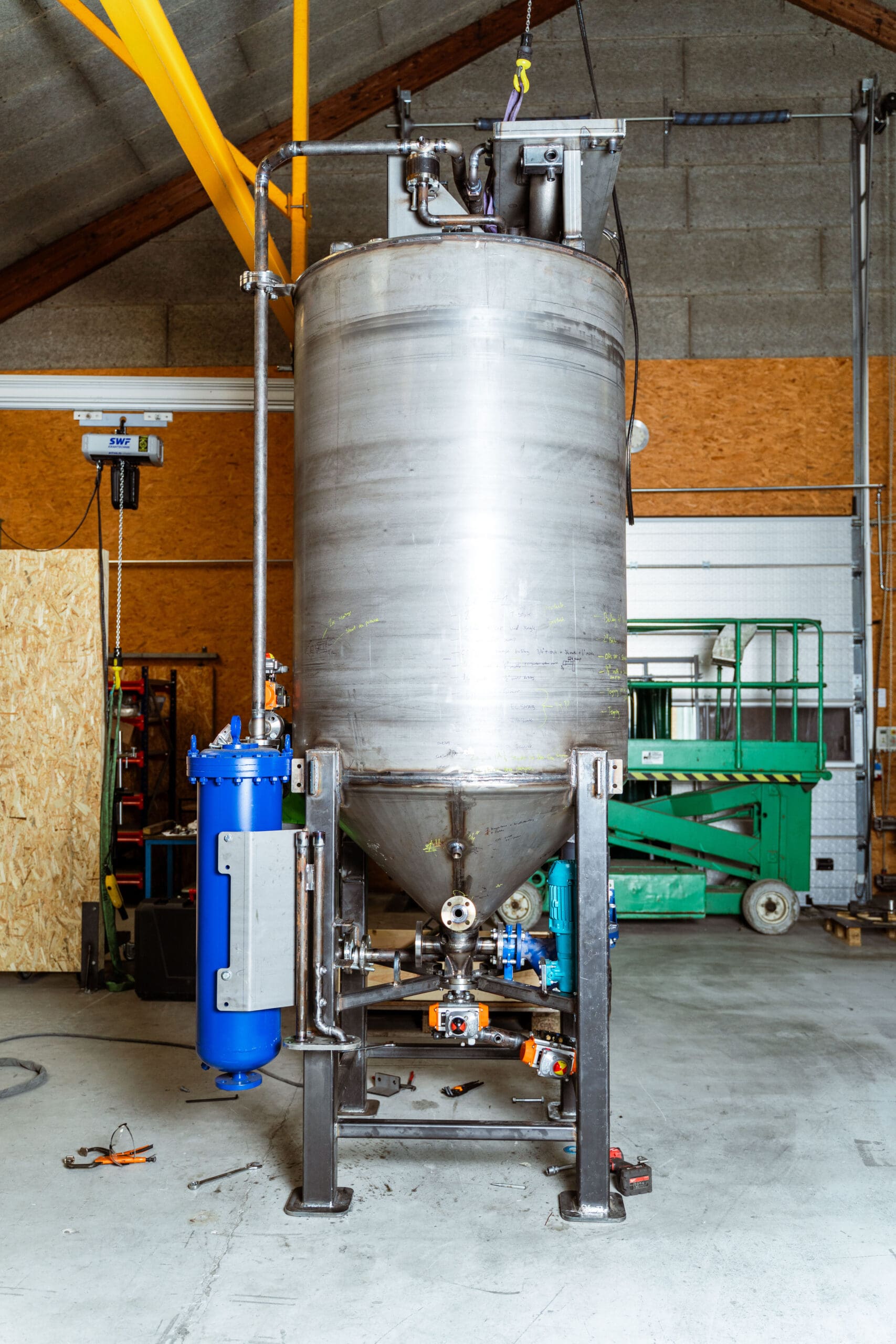
At ShipCore, we have developed a simple, efficient, and reliable system that cleans oil drained from engines, scavenge air spaces, and stuffing box drains, making it fully suitable for reuse.

For HFO applications, proper re-additivation through a mixing unit is recommended.
For LSFO operations, re-additivation needs are limited and can be handled through a very simple process.

 

Line graphic element

Installing such a system can:

  • Instantly reduce cylinder lubricating oil purchases by 50–60%
  • Eliminate manual handling of hazardous oil and combustion residues
  • Improve safety and working conditions for engine crews

Looking ahead, new cylinder lubricating oils developed for methanol and ammonia fuels are expected to feature neutral detergency additives. This may further reduce or eliminate the need for re-additivation, making oil reuse even simpler to implement.

What has been considered total loss oil since the introduction of 2-stroke crosshead diesel engines can now, with the right equipment, be turned into a valuable resource.

The discussion around re-refining waste oil from ships often overlooks a key point: oil drained from scavenge air spaces contains valuable detergency additives, while oxidation levels are low. After simple particle- and water removal, this oil is readily available for further use. If base number depletion has occurred, a straightforward re-additivation restores its properties.

Sometimes, the fastest path to decarbonization is not a future fuel but a better use of what we already have on board.

ShipCore Fluid Systems logo
CVR 39736721
All rights reserved © ShipCore 2025

Stuffing Box Cleaner (SBC)

Cleaning the stuffing box drain pipe, and pumping the collected oil to be re-cycled

Stuffing Box Container seen from above on ship

Common Drain Cleaner (CDC)

Auger screw mounted in common drain line, effectively moving hard sludge and oil from each individual cylinder to the scavenge air drain tank

Automatic Drain Cleaning System part seen from below

Individual Drain Cleaner (IDC)

Mounted on each cylinder unit, continuously removing sludge and oil from under-piston space. Keeping drain lines clean and ensuring fast and correct Scrape Down Sampling

Automatic Drain Cleaning System seen from the side

Sludge Collecting Unit (SCU)

Lube Oil Reuse System (LRS)

ShipCore's Lube Oil Reuse System

Automatic Drain Cleaning System (ADCS)