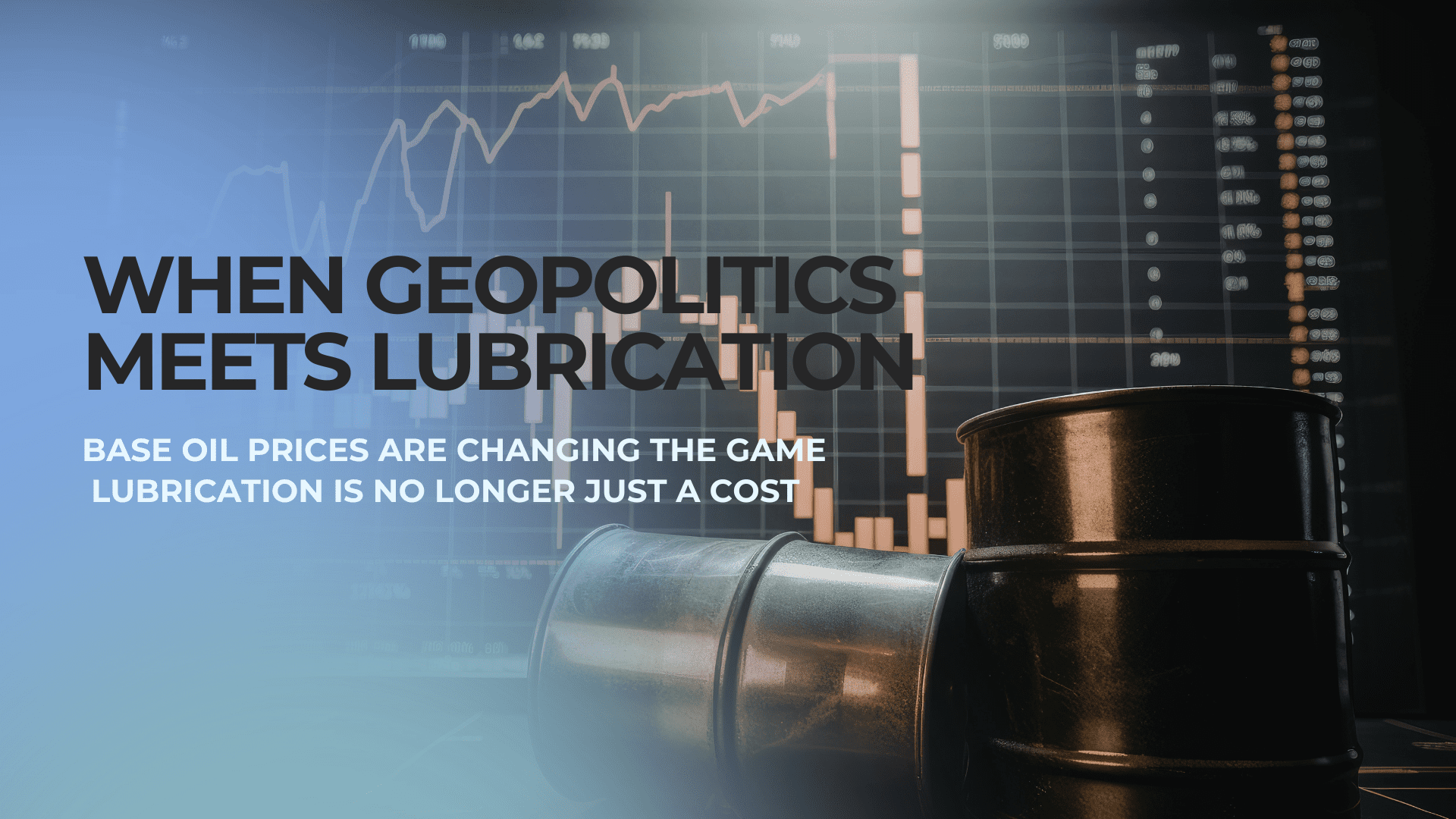
Geopolitics is now part of lubrication
The 2022 price spike followed a sudden geopolitical shift: disrupted supply chains, rerouted trade flows, and reduced access to key suppliers.
What we are seeing now is more structural.
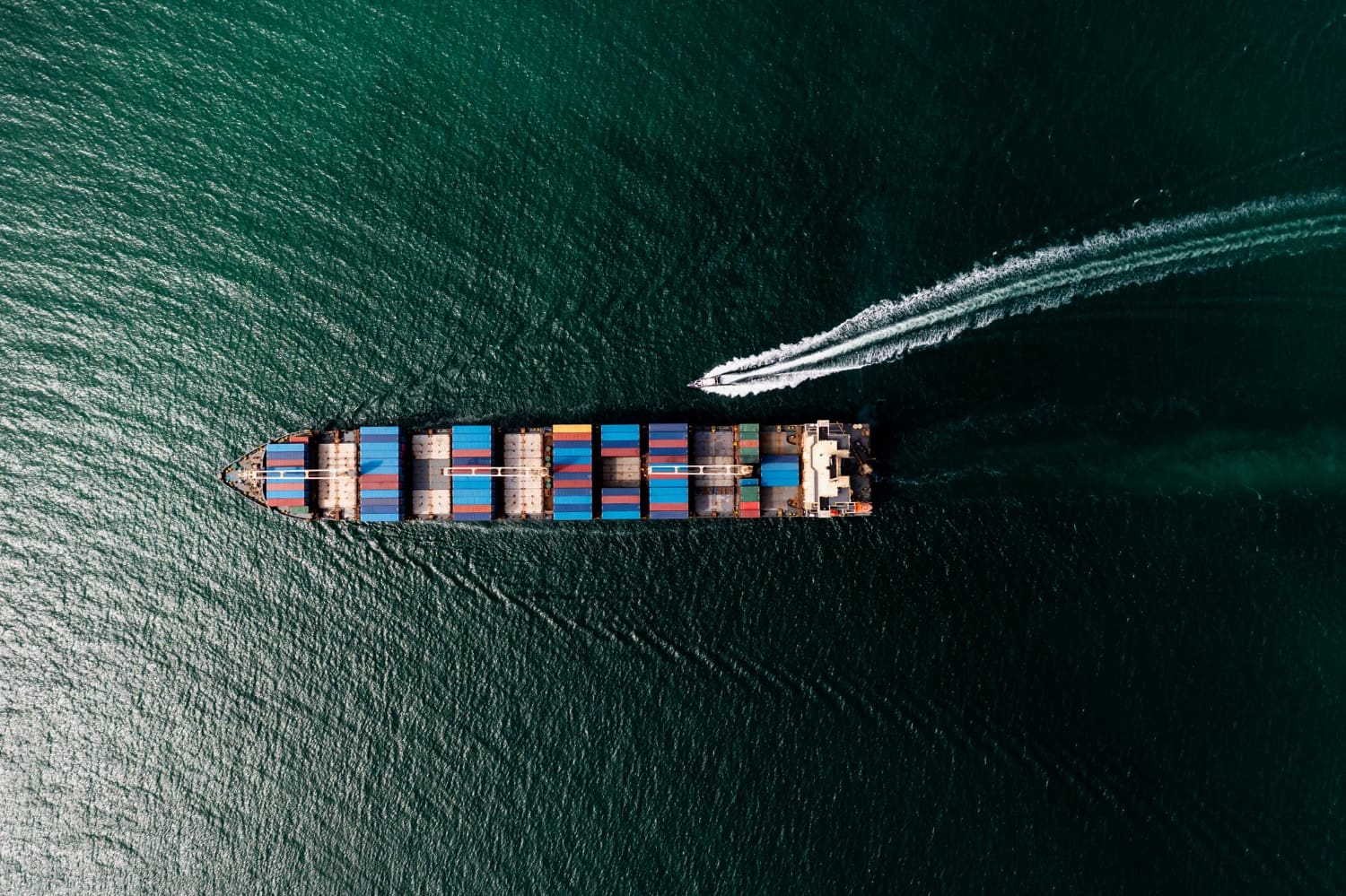
Tensions in the Middle East and the risk around the Strait of Hormuz highlight how exposed lubricant supply chains are. Hormuz is not only a crude chokepoint; it is a key route for refined products and base oils.
If disrupted, the effects extend beyond fuel:
Tighter base oil availability
Higher freight and insurance costs
Longer, less predictable lead times
Regional imbalances, particularly in Europe and Asia
In short: lubrication becomes a supply-chain risk not just an operational cost
Why prices stay high even when crude softens
Refinery economics matter.
With strong crack spreads, refineries prioritize higher-margin products such as diesel and gasoline. Base oil, with lower turnover, is deprioritized.
This results in:
Less focus on base oil production
Lower inventories
Higher sensitivity to disruption
Even as crude prices fluctuate, base oil remains supported by margins and limited production focus.
The implication is clear: near to mid-term base oil and therefore cylinder oil prices are likely to stay elevated.